Customer Service Speakers · Scott Steinberg

Customer Service Keynote Speaker and #1 Bestselling CX Futurist

Futurist and celebrity customer service keynote speaker Scott Steinberg is a strategic consulting expert, CX thought leader and business strategist who presents at conference meetings, conventions and virtual events or webinars to executive leaders and corporate teams. As a strategic consultant and customer service keynote speaker thought leader, he has advised more than 3,000 organizations across 25 years, written over 30 books, published more than 5,000 articles, and appears regularly on TV and radio outlets like ABC, CBS, CNN and NBC.

Breakout, keynote and training workshops talks address customer experience, where client expectations are heading, what automation and AI are changing about service work, and what the people in the room can carry back to Monday. Available for Customer Service Week celebrations, contact center summits, service conferences, leadership offsites, recognition events, training days and virtual webinars or all-hands meetings.

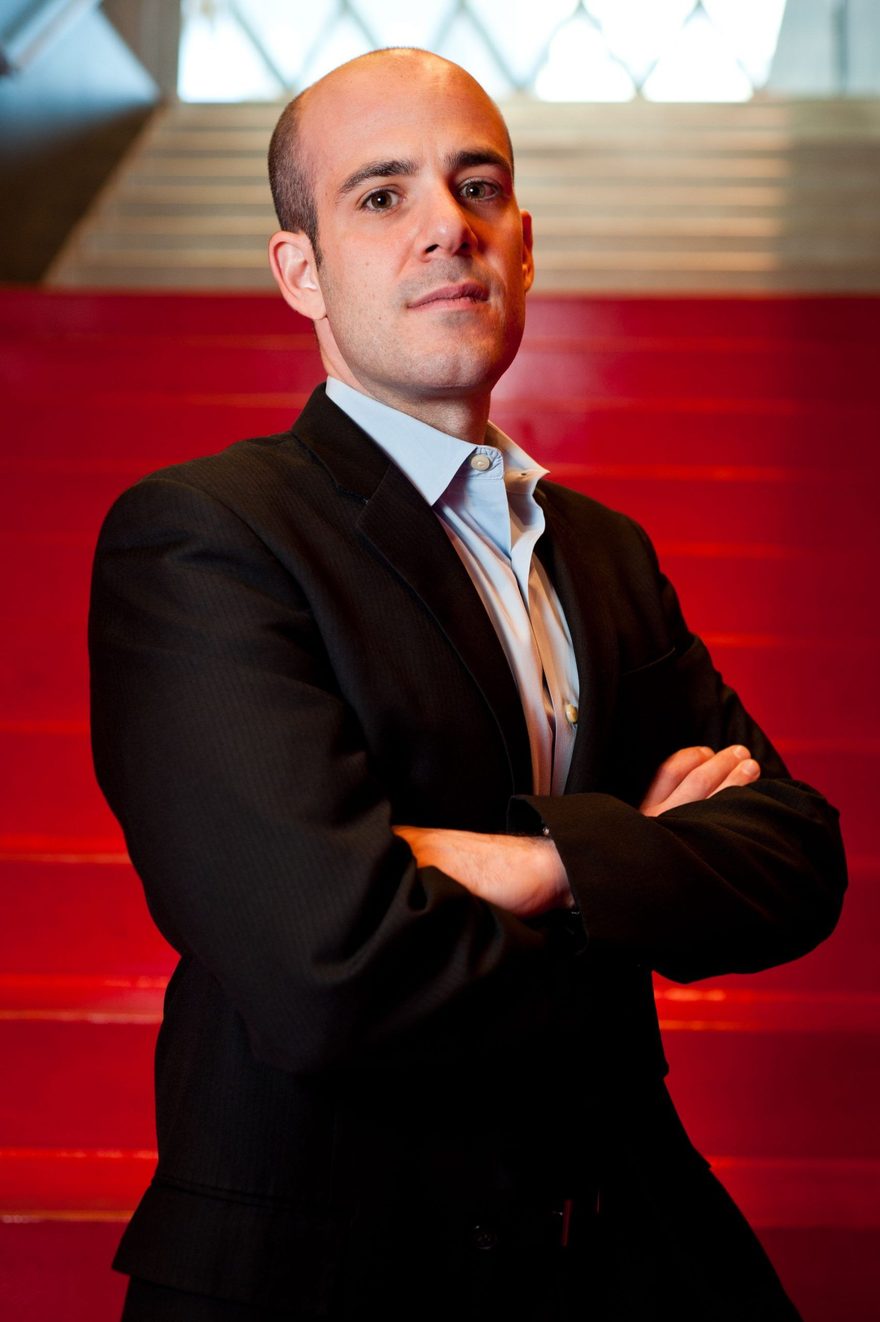
Scott Steinberg, customer service keynote speaker and business trends analyst
Scott Steinberg — customer service keynote speaker, analyst and consultant.
3,000+
Organizations advised, from startups and associations to government agencies and Fortune 500 firms
30 years
Strategy, management and customer service keynote speaker experience
30+
Books published on technology, innovation, business and marketing
5,000+
Published articles, with media appearances on CNN, The New York Times and the TODAY Show

Customer Service Keynote Speaker Events

Each session is built around your theme and the people in the room after a planning call. Below you can see the format and running time that usually suits each occasion, and all of it flexes and can be customized to your agenda.

Main-stage keynote

45–60 min, with Q&A

Customer Service Week celebrations

The first full week of October brings thousands of service organizations together to recognize the people who carry the customer relationship every day. A celebrity customer service keynote speaker talk inside that week does two jobs at once: it honors the work and it gives the room something genuinely new to think about, so the celebration carries an idea home with it rather than ending at the catered lunch.

Often programmed as the opening session of the week, a mid-week headline event, or a closing celebration ahead of awards.

Keynote or workshop

45–90 min

Contact center and support team summits

A support organization gathering its whole team is spending real money on time off the phones, and the agenda earns that. Sessions here cover what is actually arriving in service technology, how roles are growing rather than shrinking as automation handles volume, and where the human part of the job becomes more valuable instead of less.

Often programmed as a summit opener, a general session between breakouts, or an afternoon working block with the team.

Main-stage keynote

45–60 min

National and regional service conferences

A conference audience arrives with practitioners from dozens of organizations, each benchmarking quietly against the others. The useful general session supplies the view across all of them: what the leading service operations are doing, which changes are landing on a real timeline, and what the next few years ask of a service function.

Often programmed as an opening general session, a closing keynote, or a headline slot tied to the conference theme.

Closed leadership briefing

60–90 min, discussion

Service leadership offsites

When service directors and VPs take a day away from the floor, they come with a decision list: what to automate, what to staff, what to measure, what to tell the executive team. These run as structured conversation rather than presentation, with a compact read on where service is heading and then working through what that means for this organization's roadmap.

Often programmed as an offsite opener that frames the strategy work, or a standalone briefing for a service leadership group.

Keynote or hosting

30–60 min

Frontline recognition and awards events

Recognition nights ask for a speaker who can lift the room without talking past it. A session built for this occasion names what the work actually takes, connects it to where the organization is going, and leaves the audience feeling both appreciated and well informed. Hosting the awards portion of the evening is available alongside or instead of a keynote.

Often programmed as a pre-dinner keynote, remarks between award categories, or full emcee duties for the evening.

Workshop

90 min to half day

Training and development days

Development programs for service staff and supervisors benefit from an outside voice that widens the frame before the internal curriculum narrows it again. A working session gives the group a way to read what is changing in their field, think about where their own role is heading, and come out with specific things to try rather than a general sense of motivation.

Often programmed as a module inside a supervisor development program, a learning day opener, or a quarterly development block.

Keynote or briefing

45–60 min

Kickoffs around a system or process change

Rolling out a new platform, a new structure or a new service model goes better when the team understands the wider current it sits in. Sessions here place the change in the context of where the whole field is moving, which turns an internal announcement into something the room can see the logic of and get behind.

Often programmed as a launch-day opener, a change-program kickoff, or a new-year session that sets the frame for what is coming.

Main-stage keynote

45–60 min

Association meetings for service professionals

Professional associations in service, support and the contact center field bring together members whose shared interest is the craft itself. A session for that room respects the depth already present and supplies what no single member can assemble alone: a cross-industry read on where the profession is heading and what it means for the people practicing it.

Often programmed as an annual meeting keynote, a chapter event headline, or a professional development day session.

Keynote

45–60 min

Franchise, dealer and partner network meetings

In a franchise or dealer network, the customer meets the brand through people the head office does not directly manage, which makes the annual meeting the moment service standards actually get set. Sessions address what customers now expect at the point of contact, how the best networks keep that consistent across locations, and why it shows up in the numbers.

Often programmed as a franchise convention general session, a dealer meeting keynote, or a partner network summit opener.

Virtual keynote

30–45 min

Virtual, online and webinar talks

Service teams are often spread across sites, time zones and home offices, which makes the virtual all-hands the only moment everyone is in one place. Virtual sessions are built for the screen rather than adapted to it, with a tighter running time, interaction designed for a remote audience, and a structure that holds attention through the window you have.

Often programmed as a quarterly all-hands headline, a distributed team kickoff, or a recorded session for shift coverage.

Customer Service Keynote Speaker Topics

Think of each as starting points rather than a fixed menu. Most programs pull from two or three of these, and the final content comes out of the planning call rather than off a shelf.

  • AI and automation in service work
  • What customers now expect
  • Self-service and the human handoff
  • Service recovery done well
  • Reducing customer effort
  • Omnichannel and messaging
  • The contact center of the next five years
  • Frontline empowerment and decision authority
  • Agent experience and retention
  • Proactive service
  • Personalization at the point of contact
  • Service metrics worth watching
  • Escalation and complaint design
  • Field and on-site service
  • Service in subscription businesses
  • B2B client service
  • Service as a growth channel
  • Building a service culture

Formats available

More than one of these can sit on the same day, and a keynote in the morning with a workshop after lunch is a common pairing.

Conference keynote

A main-stage session built around your program theme, typically 45 to 60 minutes with questions, for a mixed audience of practitioners and leaders.

Team summit or kickoff

A session for one organization's own service team, pitched at the people doing the work and tuned to where that team currently is.

Leadership briefing

A closed session for service directors and executives, structured for discussion and aimed at the decisions sitting on their roadmap.

Workshop

A working block where the group applies the material to their own operation and leaves with specific things to try rather than general notes.

Awards hosting and emcee

Recognition evenings, awards programs and full-day hosting, where the room needs a guide who can carry energy between segments.

Virtual and hybrid session

A shorter, interaction-forward session built for a remote audience, suitable for distributed teams and quarterly all-hands.

What planners need to know

The questions that usually come first, answered up front.

Lead timeCustomer Service Week in early October books the earliest of anything on this calendar, often a year ahead. Everything else is more open than it looks, so send a date rather than assuming it has gone.
FeesQuoted for your specific engagement. Date, city, format, travel and how much of the day is committed all move the number. Association, nonprofit and multi-date bookings have their own conversation.
TravelBased in NYC, New York, with engagements accepted across the United States and internationally. Travel arrangements are set out in the agreement.
Virtual and hybridBuilt for the format rather than adapted to it, with a tighter run time and interaction designed for a remote room. A good fit for distributed service teams and shift-based coverage.
Building the sessionA planning call covers your theme, who is in the room, what the team has recently been through, and what you want people doing differently afterward. The session gets built from that conversation.
Room and A/VConfidence monitor, lavalier or headset microphone, HDMI, and the ability to present from his own laptop. The deck goes over in advance when your technical team needs it.
Materials for your programHeadshots, a biography at whatever length you need, a session title and description, a topic abstract, and social copy your team can drop into the program book, registration page and attendee emails.
Adding to the dayBook signings, leadership meet-and-greets, sponsor and VIP receptions, press interviews, breakout sessions and recorded segments can all attach to a speaking day.
RecordingRecording for internal use or for team members working the shift is generally accommodated, with terms agreed in writing beforehand.

Where this fits on your agenda

These sessions are built to widen the frame: where customer expectations are heading, what technology is changing about service work, and what a team can do about it. They work as the keynote that sets up a program, lifts a recognition event, or gives a leadership group the outside read it came for.

They sit alongside, rather than in place of, the skills curriculum your trainers run. Scripted soft-skills certification, quality-monitoring calibration and platform-specific instruction are their own disciplines, and the teams who own them do that work well. Planners who tell us during the planning call what their internal program already covers get a session that builds on it instead of repeating it.

About Scott Steinberg

Scott Steinberg is an futurist keynote speaker, business consultant and thought leader with over 25 years of experience advising more than 3,000 businesses and brands, from startups to government agencies and Fortune 500 firms.

He is the author of over 30 books and has published more than five thousand articles covering technology, marketing, leadership, innovation, advertising and digital transformation. He appears regularly on ABC, CBS, CNN and NBC.

He has led seminars, keynotes and training programs for organizations including Wells Fargo, the PGA Tour, Century 21, Ford, Dell and Procter & Gamble, and has been recognized by the International Association for Scholastic Excellence, Fortune and the 21st Century Icon Awards.

Customer Service Keynote Speaker FAQ

What does a customer service keynote speaker do?

A customer service keynote speaker addresses a service audience on where their field is heading and what it asks of them, in a session built for the specific room. For a conference that usually means a cross-industry read on customer expectations and service technology. For one company's own team it usually means connecting those wider changes to the work that team does every day, in a way that sends people back to the floor with something useful.

Who does Scott Steinberg speak to?

Contact center and support organizations, frontline retail and branch teams, field service groups, member services at credit unions and insurers, customer service associations and conferences, franchise and dealer networks, and service leadership groups. Sessions are built for the specific audience, so a leadership briefing and a Customer Service Week keynote on the same subject look quite different.

Do you speak during Customer Service Week?

Yes, and it is one of the busiest weeks of the year for these sessions. Customer Service Week falls in the first full week of October, and organizations book it further ahead than almost anything else on this calendar. If that week is what you are planning, it is worth sending the date early even if the rest of your program is not settled.

How long is a session, and what formats are available?

A main-stage keynote usually runs 45 to 60 minutes including questions. Leadership briefings run 60 to 90 minutes as a discussion. Workshops run from ninety minutes up to a half day. Virtual sessions run 30 to 45 minutes. Awards hosting and full-day emcee work are also available, and a keynote and a workshop frequently sit on the same day.

What does it cost to book him?

Fees are quoted per engagement rather than published, because the date, the city, the format, travel and the share of the day committed all affect the figure. Association, nonprofit and multi-date bookings get their own conversation. Send a date and a format and you will get a number back.

When should we start asking about dates?

Early October books furthest out because of Customer Service Week, and spring and fall conference season fill next. Outside those windows the calendar is more open than planners tend to assume, and short-notice requests are genuinely worth sending, since virtual formats and schedule changes open dates regularly.

How is a session developed for our event?

Through a planning call covering your theme, who is in the room, what the team has recently been through, what previous speakers have covered, and what you want people doing differently afterward. The session is then built from that. Nothing arrives pre-built, and the session title and abstract can be written to drop straight into your program copy.

Can a session work for a virtual or hybrid audience?

Yes, and virtual sessions are designed for the screen rather than delivered as a stage talk pointed at a webcam. They run shorter, build in interaction that works remotely, and suit service teams spread across sites and shifts. The planning process is the same as for an in-person date.

Will the session work for frontline staff as well as managers?

Yes, and the planning call is where that gets set. A room of frontline agents, a room of supervisors and a mixed room each want a different center of gravity, and the session is pitched accordingly. Tell us the mix when you book and the material will be aimed at the people actually sitting there.

Can he host an awards evening or emcee the full program?

Yes. Awards and recognition hosting, remarks between segments, executive fireside interviews and day-long emcee work are all available, either on their own or alongside a keynote earlier in the agenda.

What do you provide for our program materials?

Headshots, a biography at whatever length you need, a session title and description, a topic abstract, and social copy for attendee emails. Whatever your registration page or printed program needs, it comes over in the format your team works in.

How do we check availability?

Email info@futuristsspeakers.com or call 202-301-6730 with the date, the city, who is in the room and the format. An answer on availability and fee comes back directly, with no sales sequence attached.
Check a date

Send the date, the city, the makeup of the room and the format you have in mind. Availability and a fee come back, along with a straight word if this is not the right fit.

Email about a date

Based in
Atlanta, Georgia — available worldwide
Formats
In person, virtual and hybrid